



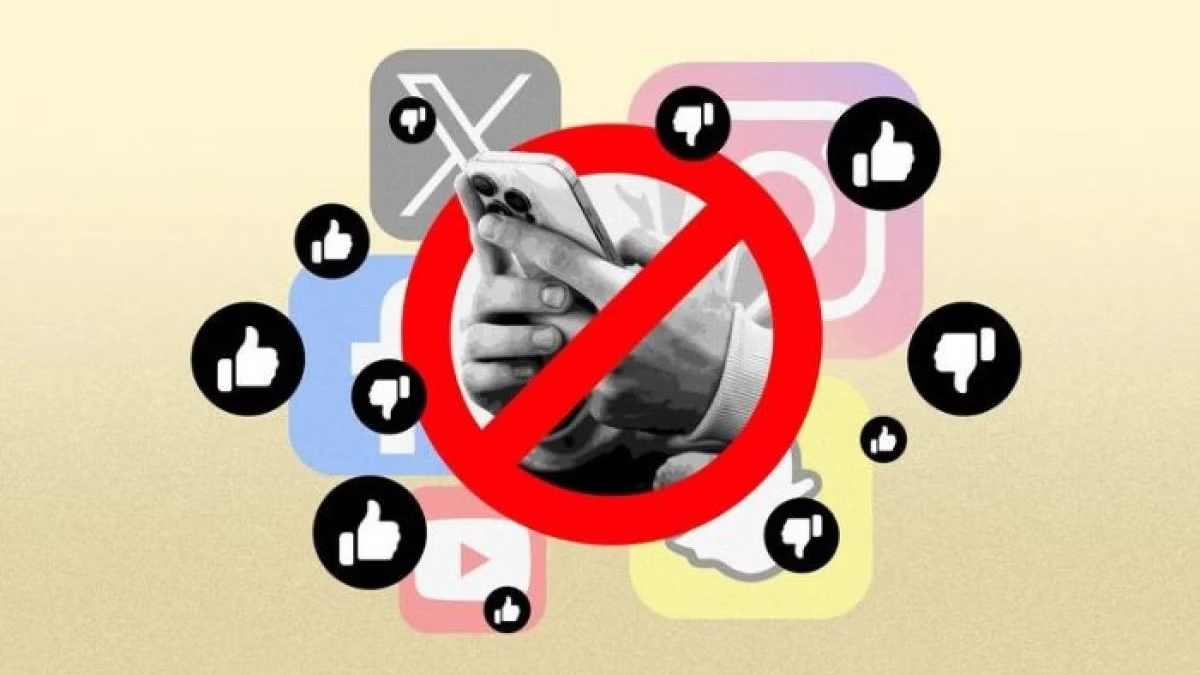
A petition filed in the Islamabad High Court (IHC) is seeking federal legislation to prevent children and teenagers under the age of 16 from creating or operating social media accounts in Pakistan.
The petition, filed on behalf of Waqas Nasir, calls for legal measures aimed at protecting minors from risks associated with social media platforms. Lawyers Jalal Haider, Yahya Farid Khwaja and Muhammad Zeshan Ali filed the petition.
The legal challenge highlights concerns about the growing exposure of children to potentially harmful online environments. It identifies cyberbullying, sexual exploitation and access to harmful content among the risks faced by minors using social media.
The petition seeks legislation that would establish a minimum age of 16 for creating or operating social media accounts. If such legislation is introduced and implemented, children below that age could face restrictions on accessing social networking platforms through personal accounts.
The case brings renewed attention to the wider debate over online safety for children in Pakistan. Social media has become an important part of communication and entertainment, but younger users can also encounter content and interactions that may pose risks to their safety and wellbeing.
Cyberbullying is one of the concerns raised in the petition. Unlike traditional bullying, online harassment can follow young people beyond school and into their homes through mobile phones and other connected devices.
The petition also points to the risk of sexual exploitation. Children and teenagers may be targeted by individuals seeking to manipulate or exploit them through online communication, making digital safety and parental awareness important considerations.
Exposure to harmful content is another issue highlighted by the legal challenge. Social media platforms contain a wide range of material, and young users may encounter content that is inappropriate for their age.
The proposed age restriction would represent a significant policy approach to addressing these concerns. However, implementing an under-16 social media ban would also require practical mechanisms for determining users’ ages and enforcing the proposed restrictions across different digital platforms.
Age verification could become an important part of any future legislation. Policymakers would need to consider how platforms could verify a user’s age while also protecting personal information and privacy.
The petition also places responsibility on the federal government to consider a legal framework for protecting minors online. Any resulting legislation could have implications for social media companies, parents, schools and young users.
For parents, the debate highlights the importance of understanding how children use social media and what types of content or interactions they may encounter. Digital awareness and appropriate supervision can play an important role in online safety.
The IHC petition does not itself establish a nationwide social media ban for under-16 users. It is a legal request seeking federal legislation, and any restrictions would depend on the court proceedings and subsequent action by the relevant authorities.
The case could nevertheless contribute to Pakistan’s growing discussion about children’s digital rights and online protection. As internet and smartphone use continues to expand, policymakers face the challenge of balancing access to digital platforms with safeguards for younger users.
The petition has therefore placed the issue of social media access for children under 16 before the Islamabad High Court, with its proceedings potentially shaping future discussions about online safety legislation in Pakistan.