


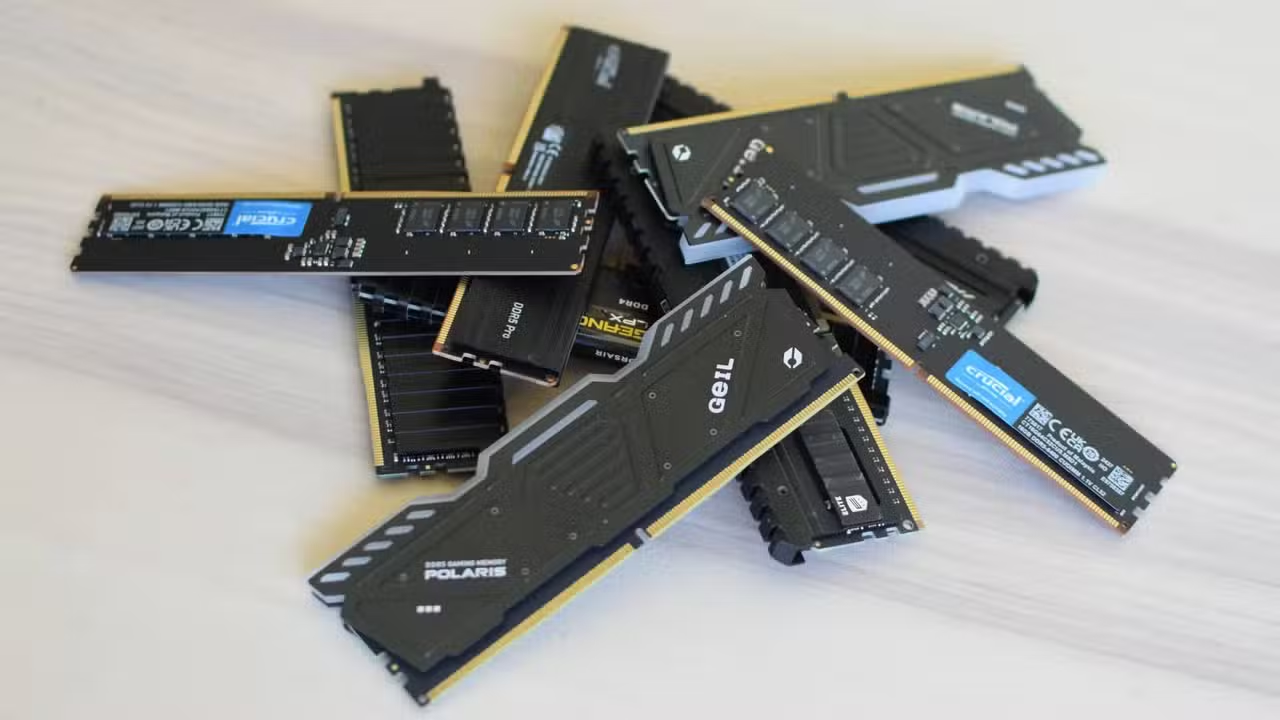
Samsung is reportedly preparing to increase prices for DRAM (Dynamic Random-Access Memory) once again in the third quarter of 2026, as global supply constraints continue to tighten across server, mobile, and AI-driven markets.
According to industry reports, Samsung is currently in negotiations with commodity DRAM customers to raise average selling prices by up to 20% compared to the previous quarter. This follows an earlier sharp increase of nearly 90%, highlighting sustained pressure in the global memory chip market.
The ongoing shortage is being driven by rising demand for high-performance memory used in artificial intelligence systems, cloud computing infrastructure, and advanced mobile devices. As a result, manufacturers are struggling to balance supply across different sectors, particularly for high-demand products like server-grade memory and mobile components.
One of the most affected segments is LPDDR (Low Power Double Data Rate) memory, which is widely used in smartphones, laptops, and energy-efficient computing devices. Reports suggest that LPDDR prices could rise by more than 20%, due to especially tight supply conditions and strong demand from AI and mobile industries.
The pricing trend is expected to impact a wide range of technology products, including smartphones, data centers, and consumer electronics. Higher memory costs could eventually lead to increased prices for end-user devices if manufacturers pass on the additional expenses to consumers.
Industry analysts believe the surge in memory pricing reflects a broader structural shift in the semiconductor market, where AI infrastructure expansion is consuming a significant share of global DRAM supply. This has reduced availability for traditional computing and mobile segments, intensifying competition among buyers.
Despite the price hikes, demand for advanced memory solutions remains strong, particularly from cloud service providers and AI companies scaling up their infrastructure. Samsung, as one of the world’s largest memory chip producers, plays a key role in setting global DRAM pricing trends.
The company’s pricing strategy will likely influence the wider semiconductor industry, including competitors and suppliers who are also facing similar supply-demand imbalances.
If the projected increase materializes, 2026 could see continued volatility in memory pricing, with ripple effects across the entire electronics ecosystem, from smartphones to enterprise servers.