



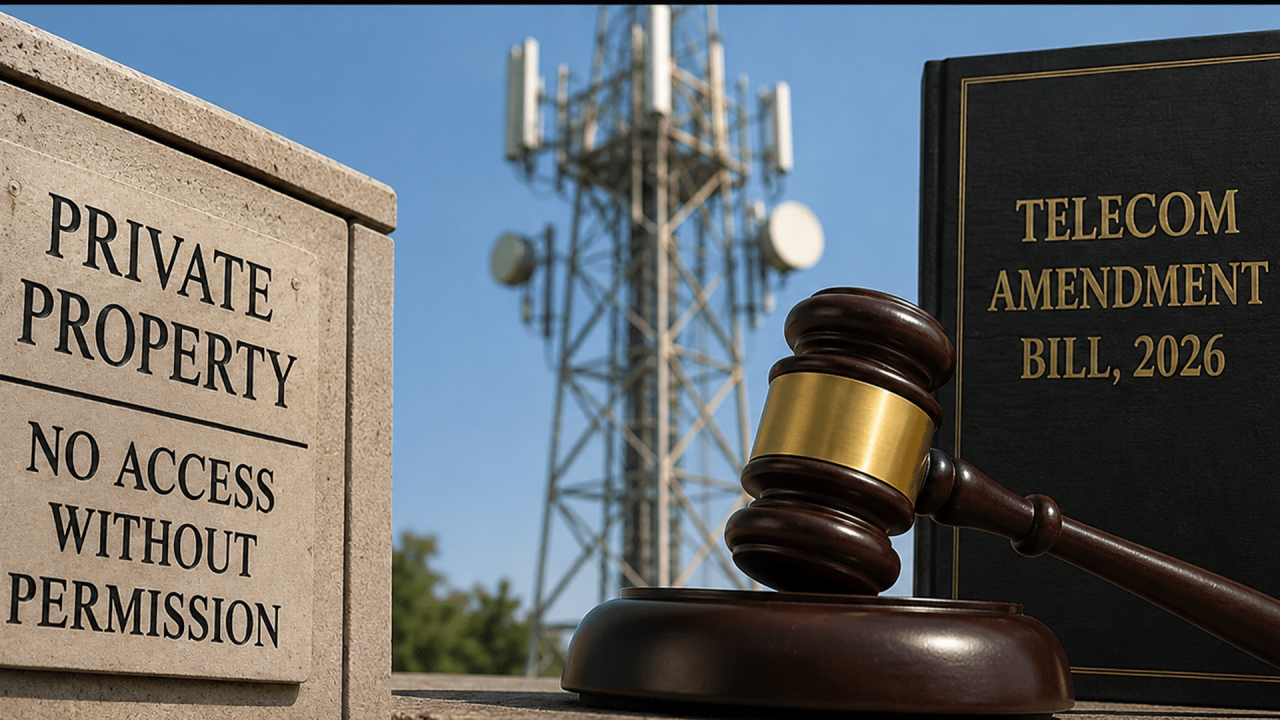
The federal government is considering significant amendments to the Telecom Reorganization Amendment Bill following widespread criticism and concerns raised by citizens, industry stakeholders, and digital rights advocates.
A committee constituted by Prime Minister Shehbaz Sharif has recommended a series of changes aimed at making the proposed legislation more balanced, transparent, and responsive to public concerns. The move reflects the government’s effort to address criticism surrounding privacy rights, regulatory powers, and protections for private property.
The committee was established to conduct a comprehensive review of the bill after it sparked debate over its potential impact on citizens and the telecommunications sector. Since its formation, the panel has held multiple meetings to evaluate the proposed provisions and identify areas requiring revision.
According to officials, the recommended amendments focus on strengthening safeguards for individual privacy and ensuring that the rights of citizens are adequately protected. The committee has also emphasized the need for clearer legal mechanisms regarding access to private property and telecommunications infrastructure.
The Telecom Reorganization Amendment Bill has attracted attention due to concerns that certain provisions could grant excessive powers to authorities without sufficient oversight. Critics argued that stronger checks and balances were necessary to maintain public trust and ensure compliance with constitutional protections.
By proposing revisions, the government appears to be seeking a middle ground between modernizing Pakistan’s telecommunications framework and protecting fundamental rights. Policymakers are increasingly recognizing the importance of balancing technological development with privacy, transparency, and accountability.
The telecommunications sector plays a critical role in Pakistan’s digital economy, supporting millions of users, businesses, and public services. Any major legislative changes affecting the industry are therefore closely watched by investors, service providers, and consumers alike.
Experts believe that public consultation and stakeholder engagement are essential for creating effective telecom regulations. Laws that address industry needs while safeguarding consumer rights are generally viewed as more sustainable and widely accepted.
The committee’s recommendations are expected to shape the next version of the proposed legislation before it moves further through the legislative process. Additional discussions may take place to ensure that concerns raised by the public and relevant stakeholders are adequately addressed.
As Pakistan continues to expand its digital infrastructure and telecommunications capabilities, the outcome of the Telecom Reorganization Amendment Bill will likely have long-term implications for privacy, regulatory governance, and the future development of the country’s telecom sector.