
The Pakistan Telecommunication Authority (PTA) has announced a revised eSIM charging framework that introduces lower costs and greater flexibility for mobile users across the country. The updated policy, developed in consultation with Cellular Mobile Operators (CMOs), is set to take effect by mid-August 2026.
Under the new framework, the PTA has capped the maximum initial eSIM issuance fee at Rs. 1,500. The move is aimed at making eSIM technology more affordable and encouraging wider adoption among smartphone users in Pakistan.
In addition to reducing costs, the regulator has introduced a significant benefit for consumers by allowing up to 10 free eSIM transfers between compatible devices. This means subscribers will be able to switch their eSIM profile from one supported smartphone to another without incurring additional charges for the first ten transfers.
The revised policy is expected to improve the overall user experience for customers who frequently upgrade their smartphones or use multiple compatible devices. Previously, transfer charges varied among operators, leading to inconsistent pricing and added costs for subscribers.
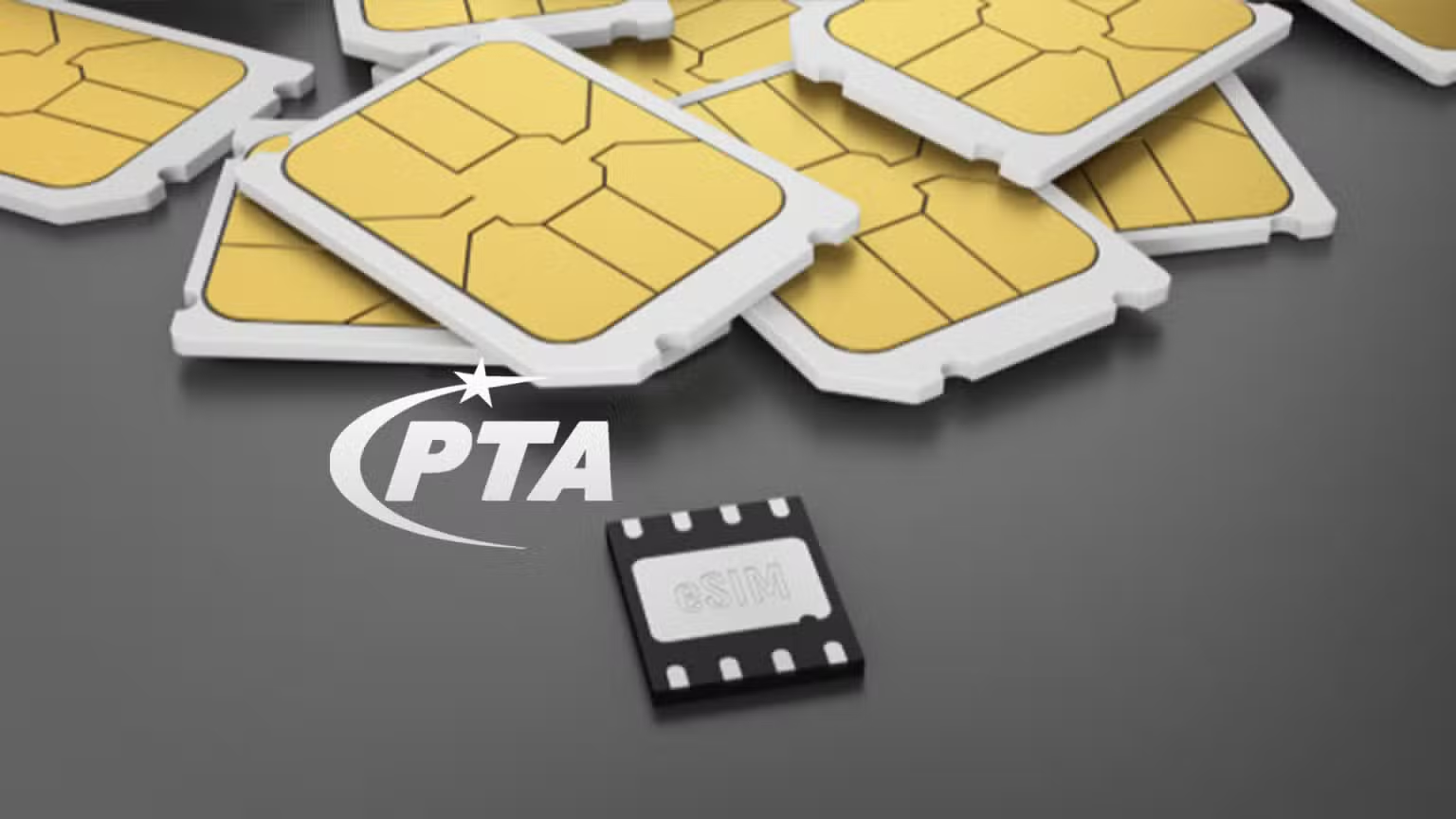
An eSIM, or embedded SIM, is a digital SIM that is built directly into a compatible smartphone, smartwatch, or other connected device. Unlike traditional physical SIM cards, an eSIM can be activated digitally without requiring users to insert or replace a plastic SIM card.
The growing popularity of eSIM technology has been driven by its convenience, improved security, and support for multiple mobile profiles. Many modern smartphones now come with eSIM functionality, allowing users to activate mobile services quickly while reducing dependence on physical SIM cards.
The PTA’s latest decision reflects the regulator’s broader efforts to promote digital transformation and modernize Pakistan’s telecommunications sector. By introducing standardized pricing and free transfer allowances, the authority aims to make eSIM services more accessible while ensuring fair practices across all mobile operators.
Industry experts believe the revised framework could accelerate eSIM adoption in Pakistan, particularly among users of premium smartphones and business customers who regularly change devices. Lower activation costs may also encourage more consumers to transition from traditional SIM cards to digital alternatives.
Cellular Mobile Operators are expected to implement the updated charging framework before the policy officially comes into force in mid-August 2026. Customers planning to obtain an eSIM or transfer their existing eSIM profile should check with their respective mobile operators for device compatibility and service availability.
As Pakistan’s digital ecosystem continues to evolve, the updated eSIM policy represents another step toward improving mobile connectivity, enhancing customer convenience, and supporting the country’s expanding digital infrastructure.