

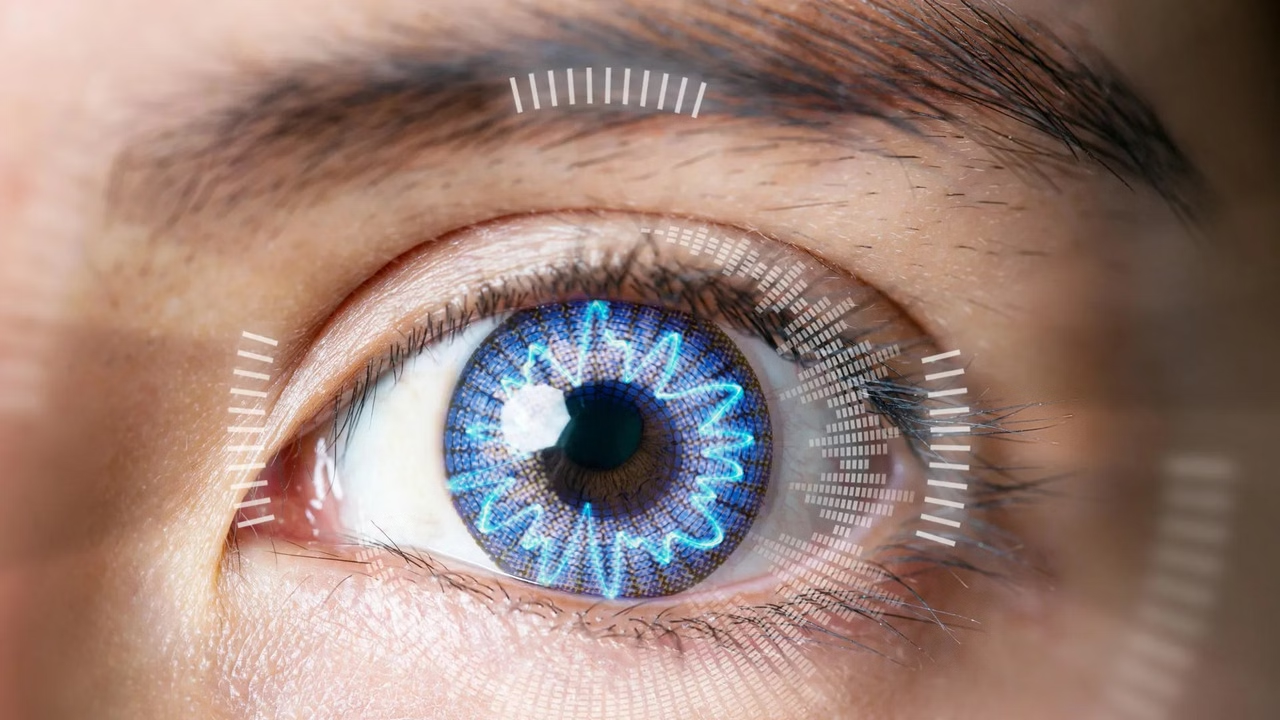
Scientists have achieved a significant breakthrough in neurotechnology with the development of a wireless brain implant that could help people with profound blindness regain a limited form of vision by sending visual information directly to the brain.
The innovative system, known as the Intracortical Visual Prosthesis, is designed to bypass damaged eyes and optic nerves entirely. Instead of relying on traditional visual pathways, the technology connects directly to the visual cortex, the region of the brain responsible for processing sight.
Researchers believe the device could offer new possibilities for individuals whose blindness cannot be treated through conventional methods. This includes people whose retinas or optic nerves are severely damaged and unable to transmit visual signals to the brain.
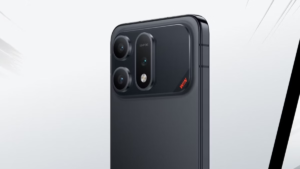
The system operates through a combination of advanced imaging technology and miniature wireless stimulators implanted in the brain. A camera captures visual information from the surrounding environment and converts it into digital signals that can be interpreted by the implant.
Once processed, the information is transmitted wirelessly to the implanted modules positioned within the visual cortex. These modules deliver carefully controlled electrical stimulation, allowing the brain to perceive patterns of light and visual cues.
Rather than restoring natural vision, the technology creates a simplified visual experience. Users may be able to detect basic shapes, movement, objects, and spatial patterns through points of light generated by the stimulation process. Scientists describe this as a form of artificial vision that could help improve navigation and environmental awareness.
One of the most promising aspects of the project is its wireless design. Unlike earlier visual prosthetic systems that often relied on external connections, the new implant aims to provide greater comfort, mobility, and long-term usability for patients.
The development reflects rapid progress in the fields of neuroscience, biomedical engineering, and brain-computer interface technology. Researchers around the world are increasingly exploring ways to restore lost sensory functions by creating direct communication pathways between electronic devices and the human brain.
Although the technology remains under development and requires further testing, early results have generated optimism among scientists and medical experts. Future studies will focus on improving image quality, increasing the number of visual signals transmitted to the brain, and enhancing the overall effectiveness of the system.
If successful, the Intracortical Visual Prosthesis could represent a major advancement in blindness treatment and assistive healthcare technologies. For millions of people living with severe vision loss, the innovation offers hope that future medical breakthroughs may provide new ways to interact with and understand the world around them.
As research continues, the brain implant stands as a powerful example of how emerging technologies are reshaping the possibilities of modern medicine and helping address some of the most challenging health conditions facing humanity.