
Ufone and Telenor Pakistan, in collaboration with the Pakistan Telecommunication Authority (PTA), have organized an executive cybersecurity workshop aimed at improving the security and resilience of Pakistan’s telecommunications industry. The session, titled “Zero Trust in a Hyperconnected Telecom Environment,” brought together regulators, telecom executives, cybersecurity specialists, academics, and technical professionals to discuss practical ways to protect increasingly interconnected networks.
Hosted at the companies’ headquarters, the workshop focused on emerging cyber threats and the need for stronger security measures across telecom infrastructure. As digital services expand and networks become more interconnected, protecting users, devices, systems, and third-party access has become an increasingly important priority for telecom operators.
The discussions emphasized the limitations of traditional security approaches that rely heavily on protecting a network perimeter. Experts highlighted the importance of adopting Zero Trust cybersecurity principles, which require access requests to be verified rather than automatically trusted because they originate from within an organization’s network.
The workshop opened with remarks by Mukarram Khan, Director General of PTA Cyber Vigilance. Technical sessions then explored evolving threats to telecommunications networks, practical approaches to implementing Zero Trust, and ways to maintain these security measures as technologies and cyber risks continue to change.
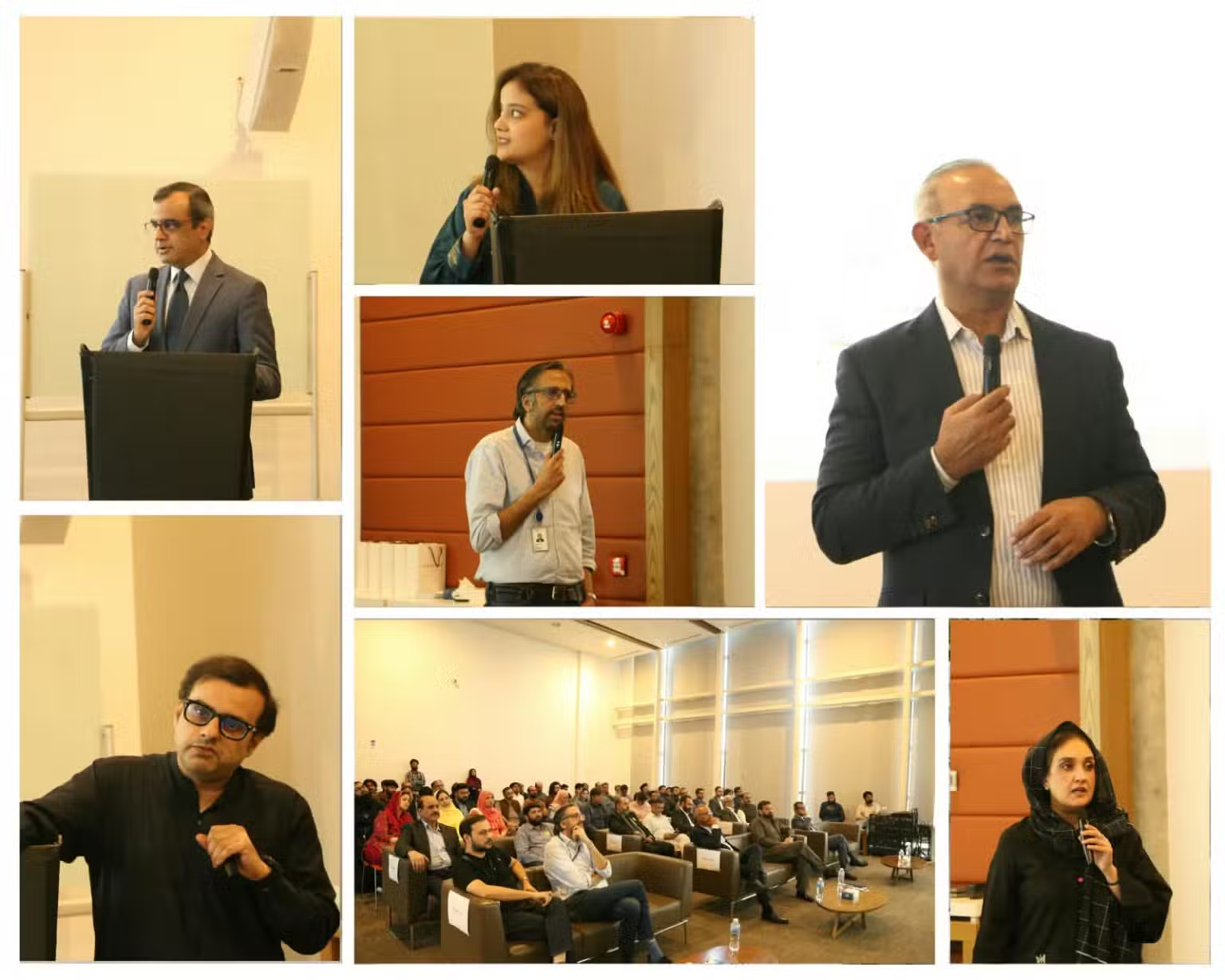
Industry and security expert Tauseef Aslam also delivered a keynote address, sharing insights into cybersecurity challenges and the importance of strengthening security practices across interconnected digital environments. The event further showcased the cybersecurity expertise and technical capabilities of the Ufone and Telenor Pakistan cybersecurity team through knowledge-sharing sessions and discussions with participating professionals.
Participants examined how stronger access governance can help organizations manage digital identities, control permissions, and reduce the risk of unauthorized access. Particular attention was given to privileged access management, which involves controlling accounts with elevated permissions that could otherwise expose critical systems to significant security risks.
Zero Trust is based on the principle that users, devices, and applications should undergo appropriate verification before receiving access to sensitive resources. Instead of assuming that every connection within a network is safe, organizations continuously assess access requirements and apply security controls according to risk.
For telecommunications companies, this approach can be especially relevant because their networks support essential services, business communications, financial transactions, and everyday digital connectivity. A cybersecurity incident affecting telecom infrastructure could disrupt services and expose sensitive information, making effective risk management a key operational requirement.
The workshop also included an audience question-and-answer session and an interactive knowledge quiz. These activities allowed participants to exchange experiences, discuss implementation challenges, and explore practical approaches to improving security across their respective organizations.
A central message of the event was that cybersecurity is a shared responsibility. Regulators, telecom operators, technology providers, and other industry stakeholders must work together to identify vulnerabilities, exchange knowledge, and improve their ability to respond to emerging threats.
The discussions also stressed that Zero Trust should not be viewed as a single product or a one-time technology installation. Instead, it requires an ongoing commitment to access verification, appropriate security controls, continuous assessment, and adaptation as networks and threats evolve.
Commenting on the initiative, Shan ul Haq, Chief Corporate Affairs Officer at Ufone and Telenor Pakistan, said the growing interconnectedness of telecom networks makes it increasingly important to build trust into how users, devices, and systems access services.
He emphasized that collaboration and continuous improvement are essential to strengthening the broader telecommunications ecosystem. The workshop provided an opportunity for industry stakeholders and the regulator to exchange practical knowledge and develop a shared understanding of Zero Trust security principles.

Through the initiative, Ufone and Telenor Pakistan reaffirmed their commitment to cybersecurity, reliable telecommunications services, and constructive engagement with the PTA and other industry participants.
The workshop is intended to support greater cybersecurity awareness, stronger access management practices, and more resilient telecom infrastructure. As Pakistan’s digital economy continues to develop, cooperation among regulators, operators, and security professionals will remain important for protecting connectivity and supporting dependable digital services.