
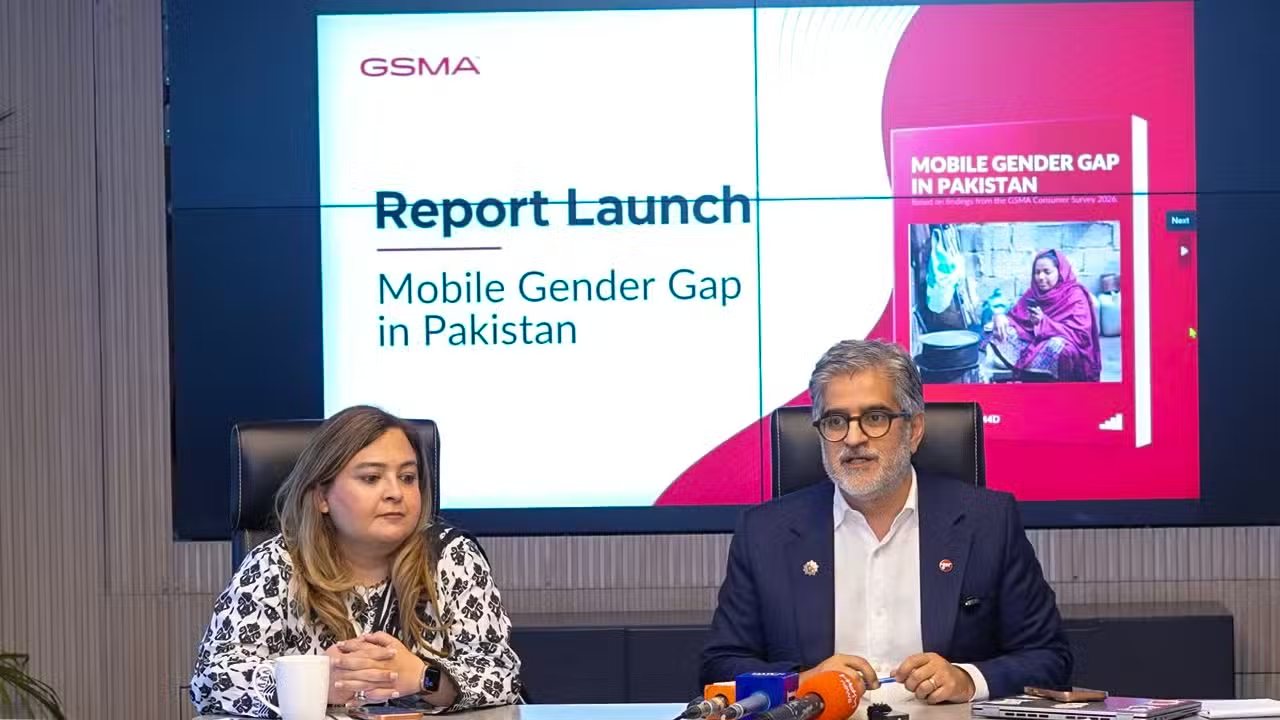
Pakistan has achieved a significant milestone in digital inclusion, recording its strongest-ever improvement in narrowing the mobile gender gap, according to the GSMA Mobile Gender Gap Report 2026 launched at an event hosted by the Telecom Operators’ Association (TOA) in collaboration with GSMA.
The report highlights that Pakistan reduced its mobile ownership gender gap from 37% in 2024 to 27% in 2025, marking the largest improvement among all countries surveyed. The country also emerged as one of the top performers across 14 low- and middle-income countries assessed in the study.
A key finding of the report was the sharp decline in the mobile internet gender gap, which fell from 25% to just 8% within a single year. This represents one of the fastest improvements recorded globally, driven by increased mobile internet adoption among women while usage levels among men remained relatively stable.
The study further revealed that 94% of women who own personal smartphones use mobile internet daily, compared to 48% of women relying on shared devices. This underscores the critical role of personal device ownership in enabling meaningful digital participation and consistent connectivity for women.
Stakeholders at the report launch emphasized that Pakistan’s progress reflects a coordinated effort between government institutions, telecom operators, and international partners to expand digital access. They noted that continued improvements will depend on addressing affordability, digital literacy, and social barriers that limit women’s access to technology.
TOA Chairman Aamir Ibrahim described the reduction in the gender gap as a significant achievement, highlighting that sustained collaboration across public and private sectors has been key to driving digital inclusion. He stressed the importance of continued investment in digital skills development, affordability of devices, and expanding opportunities for women to participate independently in the digital economy.
GSMA’s Head of Asia Pacific, Julian Gorman, also acknowledged Pakistan’s strong performance, noting that the country stands out among surveyed nations for its rapid progress. He emphasized that ensuring women have access to their own devices and a supportive digital ecosystem will be essential to maintaining the current momentum.
Experts participating in the event, including GSMA Connected Women and policy specialists, discussed persistent barriers to digital inclusion such as affordability constraints, limited digital literacy, and cultural or social restrictions. They called for a comprehensive approach that includes affordable smartphones, targeted digital training programs, and safer online environments for women.
The report also highlighted the broader socio-economic impact of mobile internet access, noting its role in enabling education, healthcare access, financial inclusion, entrepreneurship, and economic empowerment. These factors make digital inclusion a key priority for Pakistan’s long-term development strategy.
The Telecom Operators’ Association praised the efforts of the Government of Pakistan, the Ministry of Information Technology and Telecommunication, the Pakistan Telecommunication Authority, and industry stakeholders for contributing to the country’s progress toward a more inclusive digital ecosystem.
With continued momentum, Pakistan is positioned to further reduce its digital gender gap, strengthening women’s participation in the digital economy and supporting broader socio-economic growth.