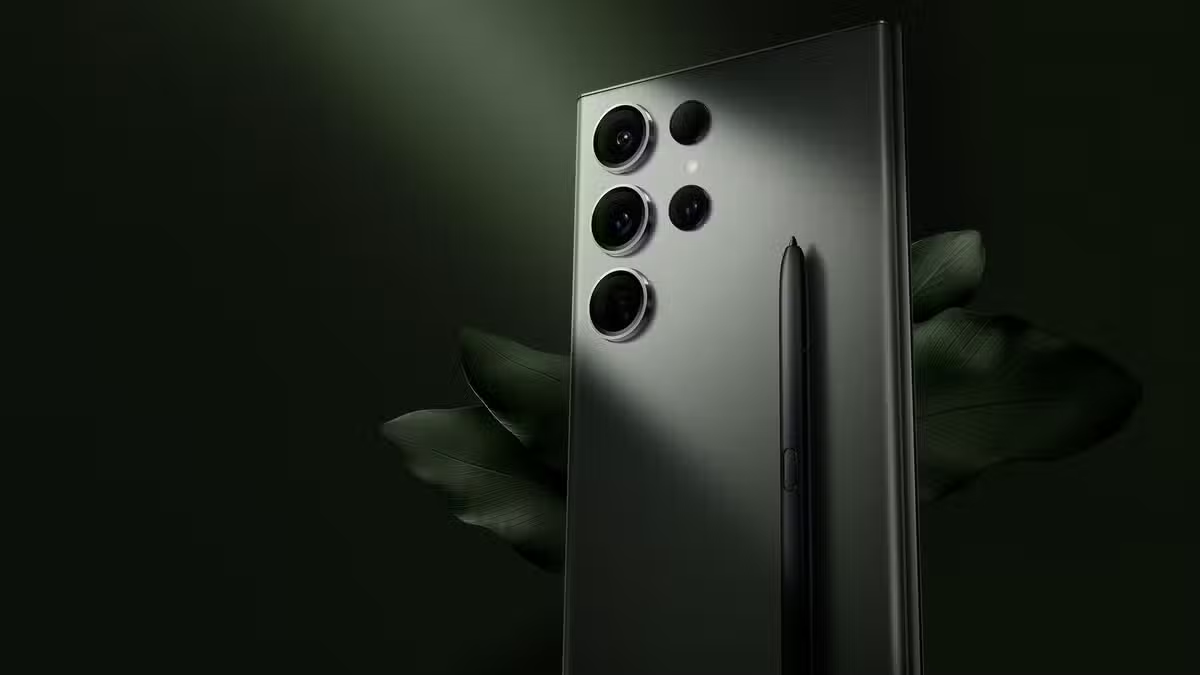
Samsung has built a strong reputation for providing long-term software support for its smartphones, but several older Galaxy devices are now approaching the end of their promised update periods.
The company has expanded its software support significantly in recent years. Newer flagship Galaxy smartphones can receive up to seven years of software updates, while some recent mid-range models are eligible for up to six generations of Android and One UI upgrades along with extended security support.
However, this longer support policy does not apply retroactively to every older Galaxy phone. Devices launched between 2021 and 2023 were generally sold with shorter update commitments, meaning some of them are now getting closer to the end of their official support cycles.
For Galaxy owners, the end of software support does not necessarily mean that a phone will stop working. A device can continue to make calls, run applications and perform everyday tasks after official updates end.
The main concern is that unsupported phones eventually stop receiving new Android and One UI features, security patches and important software fixes. Over time, this can become increasingly relevant for users who store sensitive information or use their phones for banking and other online services.
Samsung’s newer update policy represents a major improvement compared with the company’s approach several years ago. The extended support period gives consumers more time to use their smartphones without feeling pressured to upgrade after only a few years.
Older Galaxy phones, however, remain subject to the support promises that applied when they were released. As a result, owners of devices from the 2021–2023 period should check their specific model’s remaining update schedule rather than assuming that all Galaxy smartphones receive the same level of support.
The difference is particularly important when comparing older premium Galaxy phones with newer models. A phone that was considered a high-end device several years ago may now be approaching the final stage of its official software lifecycle.
Users can check their phone’s current Android version, One UI version and available security updates through the device’s software update settings. Samsung’s official support information can also help owners determine whether their particular model remains eligible for updates.
For people considering purchasing an older Galaxy phone in the used market, software support should also be part of the buying decision. A lower purchase price may be less attractive if the device has only a short period of official security support remaining.
The situation also highlights how quickly smartphone software policies are changing. Samsung’s current commitment of up to seven years gives newer Galaxy owners a substantially longer support window than many devices from previous generations.
Consumers planning to keep a phone for several years may therefore benefit from considering both hardware specifications and the manufacturer’s update policy before buying.
As older Galaxy models move closer to the end of their promised support periods, users should pay attention to security update notifications and the official support status of their specific devices.
For those whose phones are nearing the end of support, upgrading is not always immediately necessary, but replacing the device can become increasingly sensible when security updates are no longer provided or when important applications stop supporting the older software.