

The global smartphone market may soon face another round of price increases as a major Chinese manufacturer prepares to adjust its pricing structure in response to rising production costs and shifting industry demand.
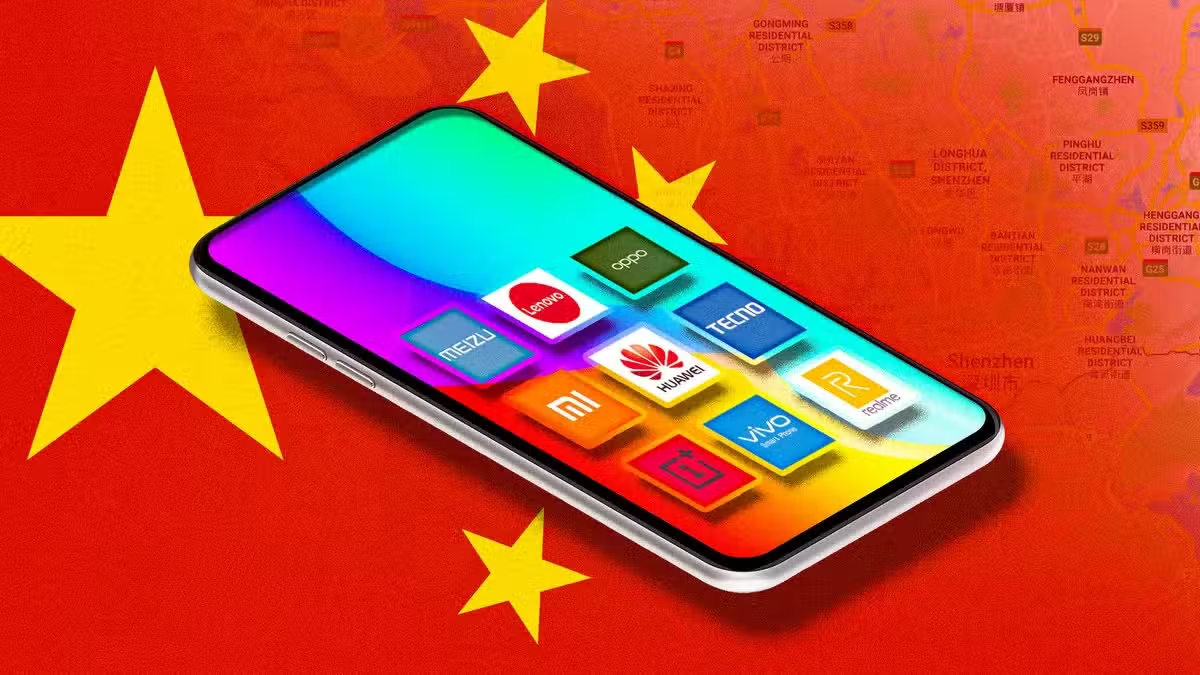
Following recent price hikes by brands such as Xiaomi, Oppo, and OnePlus, Huawei is now reportedly planning to increase prices across its smartphone lineup. The company has issued a price adjustment notice to its partner network in China, with changes expected to take effect from July 1, 2026, according to reports from Chinese media outlets.
The decision reflects growing pressure on the global electronics supply chain, particularly in the semiconductor sector. Industry sources indicate that fluctuations in supply and demand, along with increased competition for advanced chips, are contributing to higher manufacturing costs for smartphone makers.
Another key factor behind the expected price increase is the rising demand for semiconductors driven by artificial intelligence technologies. As AI applications expand rapidly across industries, chip manufacturers are prioritizing high-performance components, which has tightened supply for consumer electronics, including smartphones.
Huawei’s reported move highlights the broader challenges facing the global smartphone industry, where manufacturers are struggling to balance affordability with increasing production expenses. Companies are now being forced to reassess pricing strategies as component costs continue to climb.
In recent years, the smartphone market has already experienced multiple rounds of price adjustments, driven by inflationary pressures, logistics costs, and ongoing technological upgrades. The latest developments suggest that this trend is likely to continue, particularly in premium and mid-range device segments.
Market analysts believe that rising smartphone prices could impact consumer demand, especially in price-sensitive markets. However, strong demand for advanced features, including AI-powered capabilities and improved camera systems, may help offset some of the effects.
For consumers, the expected price changes could make upcoming smartphone launches more expensive compared to previous generations. Retailers and distributors are also likely to adjust their pricing strategies in response to new manufacturer rates.
The global smartphone industry is expected to remain highly dynamic, with pricing trends closely linked to semiconductor supply chains and technological innovation cycles. As companies continue to integrate AI-driven features into devices, cost pressures may persist in the near term.
Huawei’s anticipated price increase signals a broader shift in the industry, where rising component costs are reshaping pricing strategies across major smartphone brands worldwide.