

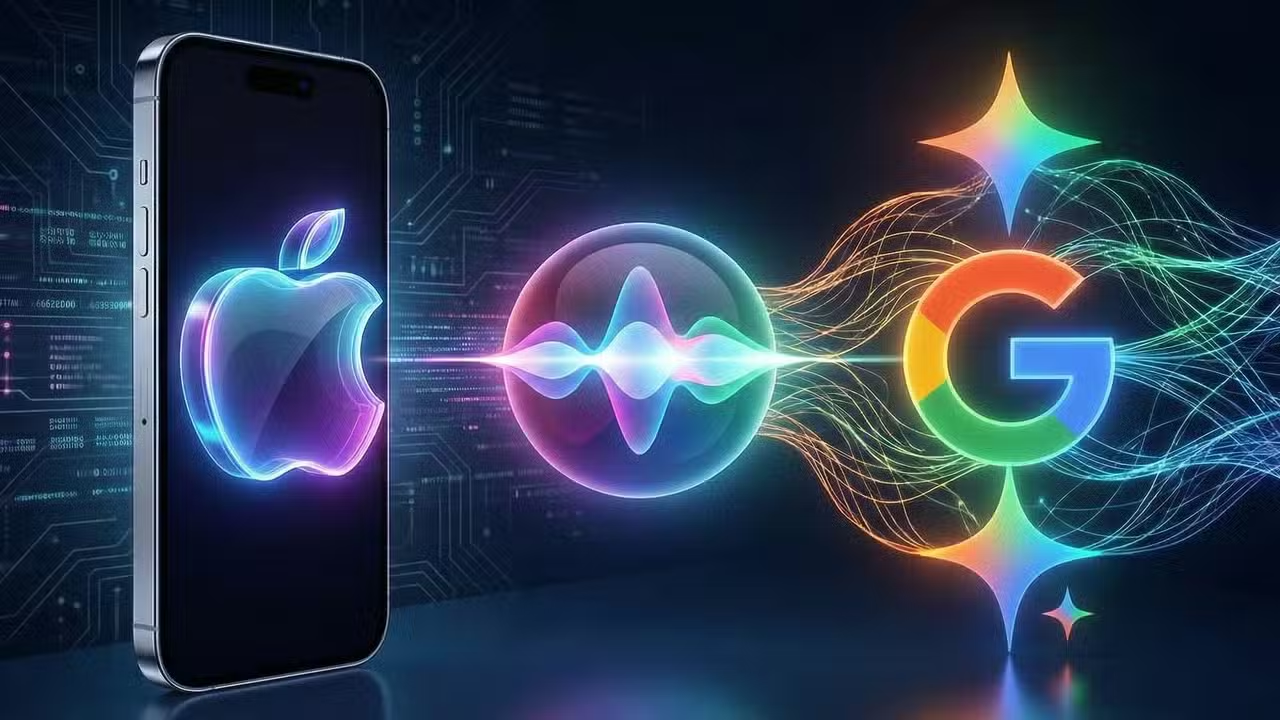
Apple has officially introduced a major upgrade to its virtual assistant, unveiling Siri AI at the Worldwide Developers Conference (WWDC). The new version represents a significant step forward in Apple’s artificial intelligence strategy and is positioned as part of the company’s next-generation Apple Intelligence ecosystem.
The upgraded assistant will be rolled out across multiple platforms, including iOS 27, iPadOS 27, macOS 27, watchOS 27, and visionOS 27, for supported Apple devices. The update aims to transform Siri from a basic voice assistant into a more advanced conversational AI tool capable of handling complex interactions.
Unlike earlier versions, Siri AI is designed to be more natural and context-aware, allowing users to engage in continuous conversations. Apple has also introduced a dedicated Siri AI interface that stores past interactions, enabling users to revisit previous chats and continue tasks seamlessly.
A key highlight of the announcement is Apple’s integration of advanced AI models built in collaboration with Google. These Apple Foundation Models are designed to enhance Siri’s intelligence while maintaining Apple’s strict approach to user privacy and data security.
The new system enables Siri AI to process certain requests directly on the device, improving speed and reducing reliance on cloud-based processing. For more complex tasks, Apple will use its Private Cloud Compute infrastructure, which is designed to handle requests securely without retaining user data.
According to Apple, the Private Cloud Compute system ensures that user information is never stored or accessible to Apple or third parties, reinforcing the company’s long-standing commitment to privacy-first technology. This hybrid approach aims to balance powerful AI capabilities with strict data protection standards.
Industry experts view this development as a major milestone in Apple’s AI roadmap, as the company works to catch up with competitors in the rapidly evolving artificial intelligence space. By integrating advanced models and improving Siri’s conversational abilities, Apple is positioning its ecosystem for a more intelligent and personalized user experience.
The introduction of Siri AI also signals a broader shift in how digital assistants are expected to function in the future. Instead of simple command-based responses, users can now expect assistants that understand context, remember interactions, and provide more meaningful support across devices.
As Apple continues to expand its Apple Intelligence framework, Siri AI is expected to play a central role in shaping how users interact with their iPhones, iPads, Macs, and other Apple products in the coming years.
The update marks one of the most significant transformations of Siri since its original launch, combining advanced AI capabilities with Apple’s strong emphasis on privacy and security.