


Nvidia CEO Jensen Huang has raised concerns about the future of global artificial intelligence leadership, warning that the United States could lose its dominant position if emerging AI systems increasingly rely on alternative hardware ecosystems such as those developed by Huawei.
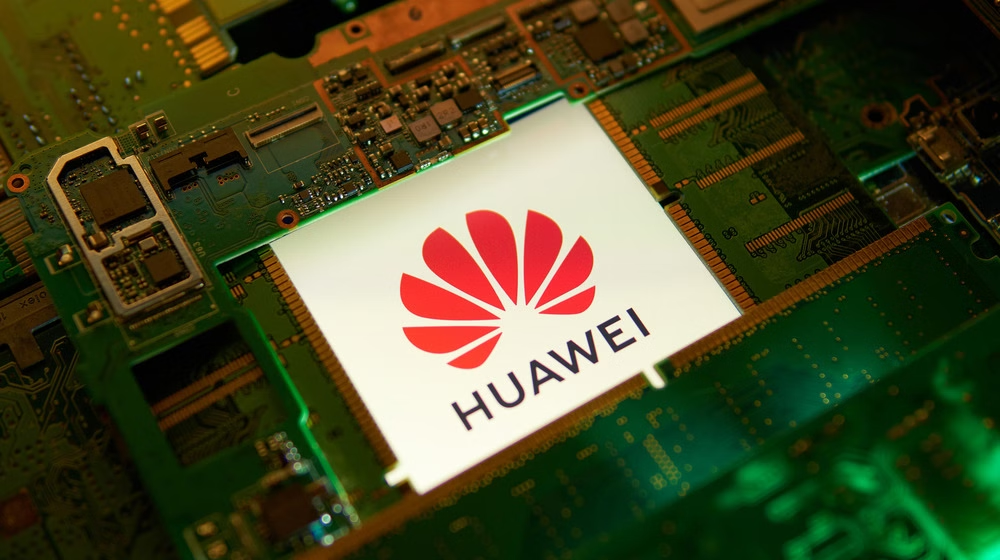
His remarks focused on reports that the AI firm DeepSeek may launch its upcoming model entirely on Huawei-powered infrastructure. According to Huang, such a development could signal a broader structural shift in the global AI landscape, where reliance on US-based technology may begin to decline.
Huang emphasized that the strength of American AI leadership has historically been tied to its semiconductor and computing ecosystem, particularly companies like Nvidia, which supplies high-performance chips widely used in AI training and deployment. A shift toward alternative hardware platforms could, in his view, reshape competitive dynamics.
The concern reflects growing geopolitical competition in the technology sector, where countries and companies are increasingly investing in independent AI infrastructure. Huawei has been expanding its semiconductor and AI computing capabilities as part of China’s broader push for technological self-reliance.
Industry analysts note that the AI race is no longer limited to software innovation alone, but is deeply tied to hardware ecosystems, supply chains, and chip manufacturing capabilities. Any significant shift in these areas could influence global leadership in artificial intelligence development.
The comments from the Nvidia CEO highlight growing concerns in Silicon Valley about maintaining technological advantage as rival ecosystems mature. The potential use of non-US hardware for advanced AI models is increasingly seen as a strategic challenge.
As competition intensifies, companies across the world are investing heavily in both AI software and semiconductor infrastructure. The outcome of this technological competition is likely to shape the future balance of power in the global AI industry.