


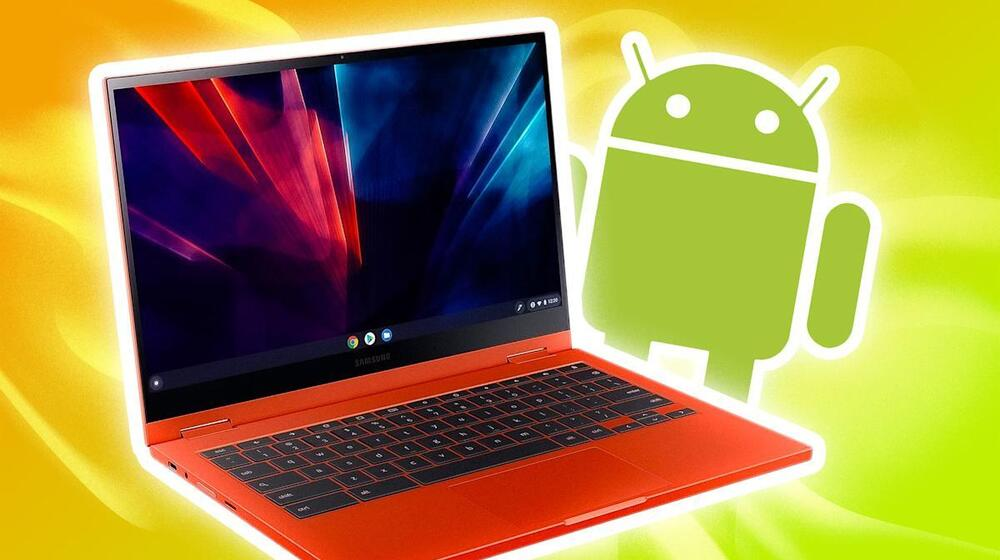
Google is preparing to reshape its entire computing strategy as it moves beyond the traditional boundaries of ChromeOS. The company, long known for powering budget-friendly Chromebooks, is now developing a next-generation platform called Aluminium OS — an AI-driven operating system designed to compete not only with Windows devices but also with Apple’s premium MacBook lineup.
For over a decade, ChromeOS has dominated the education and entry-level laptop market, offering simple cloud-first machines ideal for students and basic productivity users. Google always insisted that Chromebooks were not meant to challenge high-end performance laptops. However, with artificial intelligence becoming a defining force across personal computing, Google appears ready to go head-to-head with both the MacBook Air and MacBook Pro.
The shift became public after Android Authority uncovered a recent Google job listing seeking a senior product manager for “Android, Laptop and Tablets.” Although applications for the position have since closed, the listing offered rare insight into Google’s long-term software roadmap.
According to the details, Google plans to merge the capabilities of Android and ChromeOS into the new Aluminium OS. This unified platform will carry AI at its core and support a broad range of devices — from traditional laptops to tablets, detachables, and set-top boxes. The company has no immediate plans to retire ChromeOS, but it is laying the foundation for a gradual transition over the coming years.
Google’s future hardware lineup is expected to include several categories:
Chromebook, Chromebook Plus, AL Entry, AL Mass Premium, and AL Premium, with “AL” indicating Aluminium OS models. These tiers suggest Google intends to compete in both the budget and premium spaces, directly challenging Apple’s dominance in high-end portable computing.
The job listing also mentioned that the successful candidate would oversee product direction as Google “transitions from ChromeOS to Aluminium with business continuity.” This wording signals that Google is preparing for a major structural change rather than a supplemental OS release.
While full details remain under wraps, analysts suggest that Aluminium OS will likely support offline AI processing, advanced multitasking, and deeper integration with Google’s on-device generative AI tools — features necessary to rival Apple’s powerful M-series MacBooks.
If successful, Google’s upcoming platform could redefine the future of laptops by blending Android flexibility, ChromeOS simplicity, and next-level AI performance into a single ecosystem.