



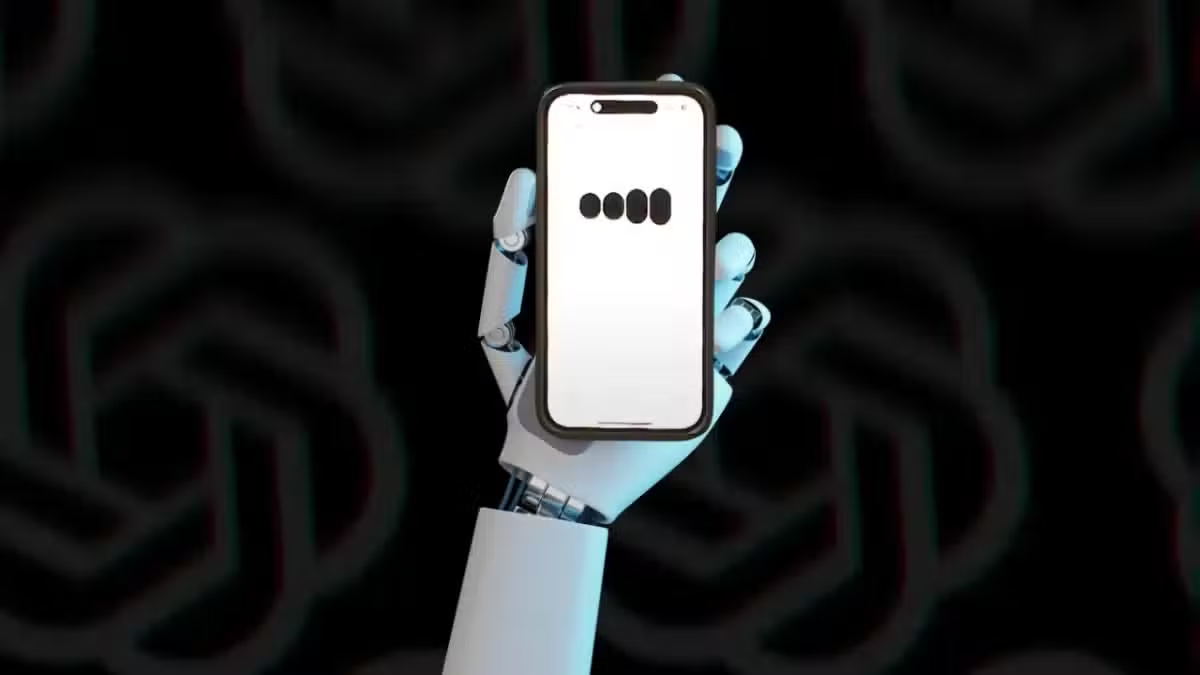
OpenAI has introduced two new conversational artificial intelligence models, GPT-Live-1 and GPT-Live-1 mini, designed to make voice interactions with ChatGPT feel more natural, responsive, and closer to real human conversations.
The new voice models bring improved conversational abilities through a full-duplex system, allowing ChatGPT to listen and speak at the same time. This enables users to interrupt naturally during conversations and supports advanced features such as real-time translation and smoother spoken interactions.
OpenAI said the updated voice technology aims to overcome limitations of earlier systems, which often struggled with interruptions, delayed responses, and handling more complex questions during voice conversations.
As part of the rollout, OpenAI is replacing the existing Advanced Voice Mode in ChatGPT with GPT-Live-1 mini as the default voice model. Users subscribed to paid ChatGPT plans will also receive access to the more advanced GPT-Live-1 model.
Previously, ChatGPT’s voice system relied on separate speech recognition, language processing, and text-to-speech models to convert spoken words into text, generate responses, and produce audio replies. The new approach combines these capabilities into a more integrated conversational experience.
During a media briefing, OpenAI explained that the GPT-Live models can connect with its latest text-based AI systems, including GPT-5.5, to access advanced reasoning, search capabilities, and agent-based features while maintaining an ongoing voice conversation.
The company also demonstrated that the new voice models can remain quiet for longer periods while listening and collecting context before responding. This ability is designed to create more thoughtful and natural interactions rather than immediate but less accurate replies.
Another major improvement is the ability to provide information through visual formats when needed. Since the voice system can access newer AI models, users may receive both spoken explanations and visual assistance during certain tasks.
OpenAI has designed the updated voice experience for longer conversations. ChatGPT Voice Product Lead Atty Eleti said he has used the feature for conversations lasting between 30 and 40 minutes during walks, highlighting the potential for voice AI to become a primary way people interact with technology.
OpenAI believes voice could eventually become the main interface for managing complex digital tasks, including long-running AI-assisted projects. The company expects voice technology to expand beyond simple questions and answers into more advanced workplace and productivity applications.
The update comes as competition in AI assistants continues to grow. Companies including Apple and Amazon have been improving their own voice assistants with better conversational abilities, while emerging startups are also developing AI systems focused on more natural communication.
OpenAI said the new voice models include safety measures designed to provide age-appropriate responses for younger users and offer support resources when conversations involve sensitive topics such as self-harm.
However, the company acknowledged that the technology still requires improvement. During a demonstration of Hindi translation capabilities, the AI voice reportedly used a noticeable American accent and produced language that sounded less natural in some cases.
With millions of users already relying on ChatGPT Voice and Dictation features, OpenAI’s latest release represents another step toward making voice-based artificial intelligence a more practical and everyday computing tool.