



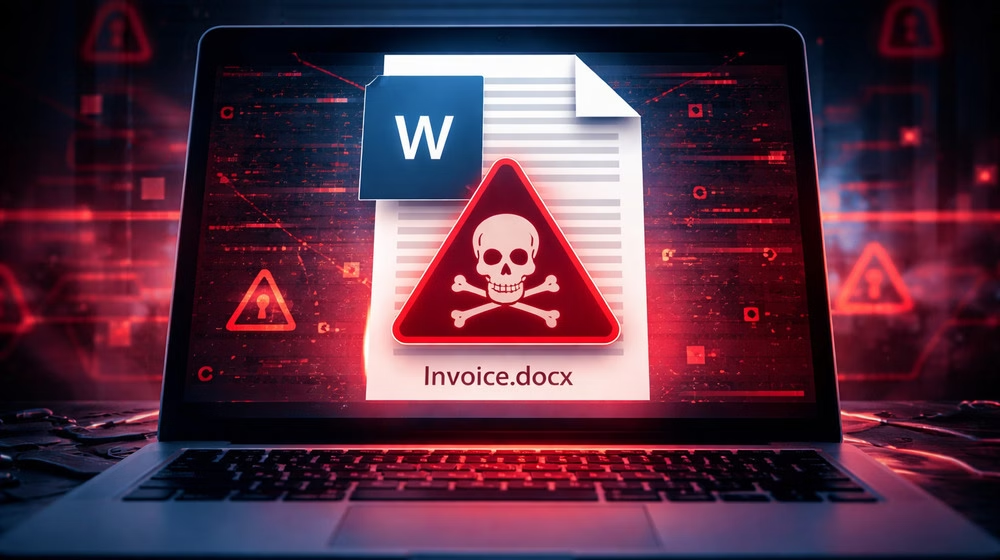
A serious cybersecurity threat has emerged for Microsoft Office users, with experts warning that simply opening a malicious document could allow hackers to take control of a computer. The vulnerability is already being exploited in real-world attacks, raising concerns for government institutions, businesses, and individual users alike.
The National Computer Emergency Response Team has issued a high-severity advisory regarding a newly discovered Microsoft Office zero-day vulnerability, tracked as CVE-2026-21509. Zero-day flaws are particularly dangerous because they are exploited by attackers before comprehensive protections or patches are widely in place.
According to National CERT, the vulnerability allows attackers to execute malicious code on a victim’s system when a specially crafted Office file is opened. This means users may be compromised without clicking suspicious links or enabling macros, making the threat harder to detect.
Security officials explained that most of these attacks are being carried out through phishing emails and social engineering campaigns. Victims receive emails that appear legitimate, often posing as official notices, invoices, resumes, or internal documents, with a malicious Word or Office file attached.
What makes this vulnerability especially alarming is that the attack can be triggered during routine document processing or when embedded content within the file is handled. In many cases, the usual security warnings that alert users to potential danger do not appear, giving a false sense of safety.
Once exploited, attackers can potentially install malware, steal sensitive data, monitor user activity, or gain persistent access to the affected system. This puts confidential government information, corporate data, and personal files at significant risk.
Cybersecurity experts warn that organizations relying heavily on Microsoft Office are particularly vulnerable if employees are not cautious with email attachments. Even experienced users can fall victim when malicious files are carefully disguised as trusted documents.
National CERT has urged users and organizations to exercise extreme caution when opening Office files from unknown or unverified sources. It also advised promptly installing security updates as soon as Microsoft releases patches addressing the vulnerability.
In addition, experts recommend strengthening email security filters, disabling unnecessary document features, and conducting awareness training to help users recognize phishing attempts. Regular system backups and endpoint protection tools can also reduce the potential damage from successful attacks.
This incident highlights the growing sophistication of cyber threats and the increasing use of zero-day vulnerabilities in targeted campaigns. Attackers are no longer relying solely on obvious tricks, but instead exploiting hidden flaws that can bypass traditional defenses.
As investigations continue and security updates are awaited, users are being reminded that vigilance remains the first line of defense. Avoiding unsolicited attachments, verifying senders, and keeping software up to date can significantly reduce the risk of falling victim to such attacks.