



Speculation around Apple’s long-rumoured foldable iPhone continues to intensify, with fresh reports offering new insight into the company’s design priorities. While Apple has not officially confirmed the device, a growing number of credible leaks suggest active testing of foldable hardware behind the scenes.
The latest claim focuses on biometric authentication and suggests a notable shift from Apple’s long-standing reliance on Face ID. According to well-known tipster Digital Chat Station, Apple may abandon 3D Face ID on its upcoming wide foldable iPhone in favour of a side-mounted Touch ID sensor.
If accurate, this would mark the return of Touch ID to the iPhone lineup after several years. Apple last used fingerprint authentication on iPhones before transitioning fully to Face ID, positioning facial recognition as a more secure and seamless solution.
However, foldable phones introduce unique engineering challenges. Reports suggest Apple is prioritising an ultra-thin design for its foldable iPhone, and the complex sensor array required for Face ID could compromise that goal. The TrueDepth camera system used for Face ID takes up significant internal space, which may be difficult to accommodate within a foldable chassis.
A side-mounted Touch ID sensor, similar to what Apple currently uses on certain iPad and Mac models, offers a thinner and simpler alternative. This approach would allow Apple to preserve biometric security while maintaining a slim profile across both folded and unfolded states.
Industry observers note that several foldable smartphones from other manufacturers have already opted for fingerprint sensors over facial recognition for similar reasons. Apple’s potential decision would align with broader industry trends rather than represent a step backward.
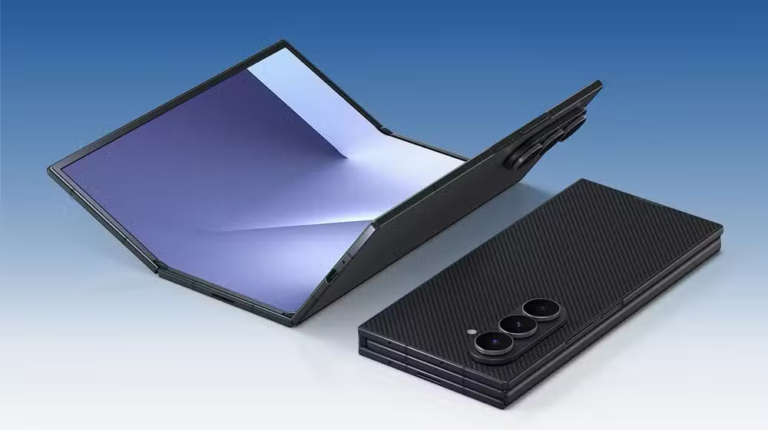
Digital Chat Station further claims that the foldable iPhone under testing features a wide folding design rather than a compact clamshell form factor. This suggests Apple is targeting a premium, productivity-focused device that could bridge the gap between iPhones and iPads.
The move away from Face ID, if confirmed, would also highlight Apple’s willingness to adapt its design philosophy when necessary. While Face ID remains a core feature across current iPhones, Apple has historically prioritised hardware refinement over feature consistency, especially when entering new product categories.
Analysts believe Apple is taking a cautious approach to foldables, learning from competitors’ missteps before committing to a final design. The company is known for delaying product launches until it can deliver a polished experience, which may explain why a foldable iPhone has yet to reach the market.
Although timelines remain unclear, most reports suggest Apple’s foldable iPhone is still several years away from launch. In the meantime, leaks like these provide valuable insight into Apple’s internal thinking and evolving design strategies.
If Apple does reintroduce Touch ID through its foldable iPhone, it could signal a broader shift in how the company balances innovation, usability, and form factor constraints in future devices.